

Conservation at DB
The S4 project plans include a host of measures designed to protect nature. Also known as "avoidance measures", they have a host of applications and are above all designed to ensure that our construction work does not disturb or damage the existing environment. Everything in nature is interlinked. As a result, our protective measures can develop synergy effects because one specific activity can have a positive impact on several environmental features.
Our construction plans already include the avoidance measures described here, and we will apply these solutions throughout the entire project. Our environmental supervision experts will monitor our protection goals during the S4's construction. They will also specify the details of each measure so we achieve results that are professional, practical and environmentally sound.

Den checks
We check sites that animals might select as their winter homes (e.g. tree hollows) and create replacements if any such sites are lost during building work.
Site clearance
When making space for a building site, we clear plants and trees only between October and February, when they are dormant for the winter and no animals use them as breeding sites.
Bats' flight paths
We take bats' flight paths into account when designing the layout of our construction sites, or we change the lighting at a site if necessary.
Protection for amphibians
We check the area around our building sites to see if any amphibians live there. If so, we have several ways of protecting them – for example, we build fences that keep them at a safe distance from where we are working.
Endangered plants
If plants on the EU's red list of endangered species are likely to be present in a given area, we conduct a survey to find them. If we locate any, our conservation measures come into play.
Biotope conservation
We keep plant life from harm by placing protective guards around trees and installing fences where necessary. In addition, we monitor the trees' health throughout the entire construction phase.
Openings for little creatures
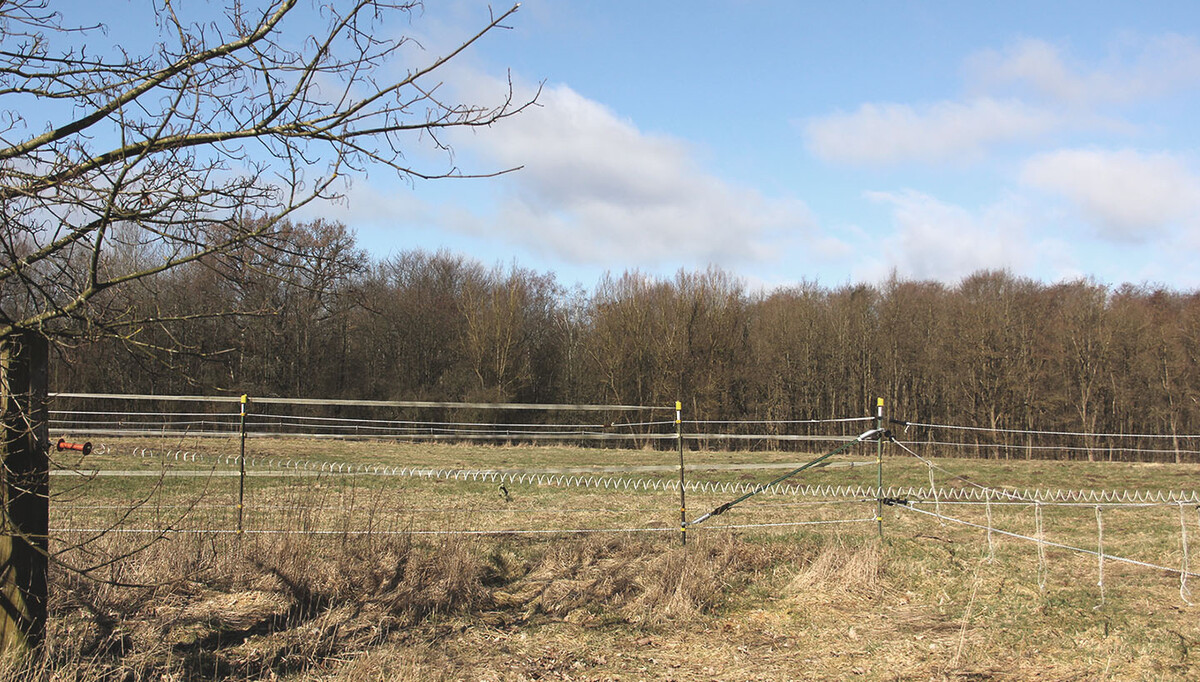
Noise barriers have openings for small animals approximately every ten metres. This enables populations on both sides of the line to mix and mate, which is good for their genetics.
The great crested newt
Germany's largest native newt lives in planning approval section 2. It is one of the country's protected species, but the construction of the S4 will encroach on its habitat. We are taking various measures to minimise our work's impact on the animals. Click the link for further details.

Replacing soil
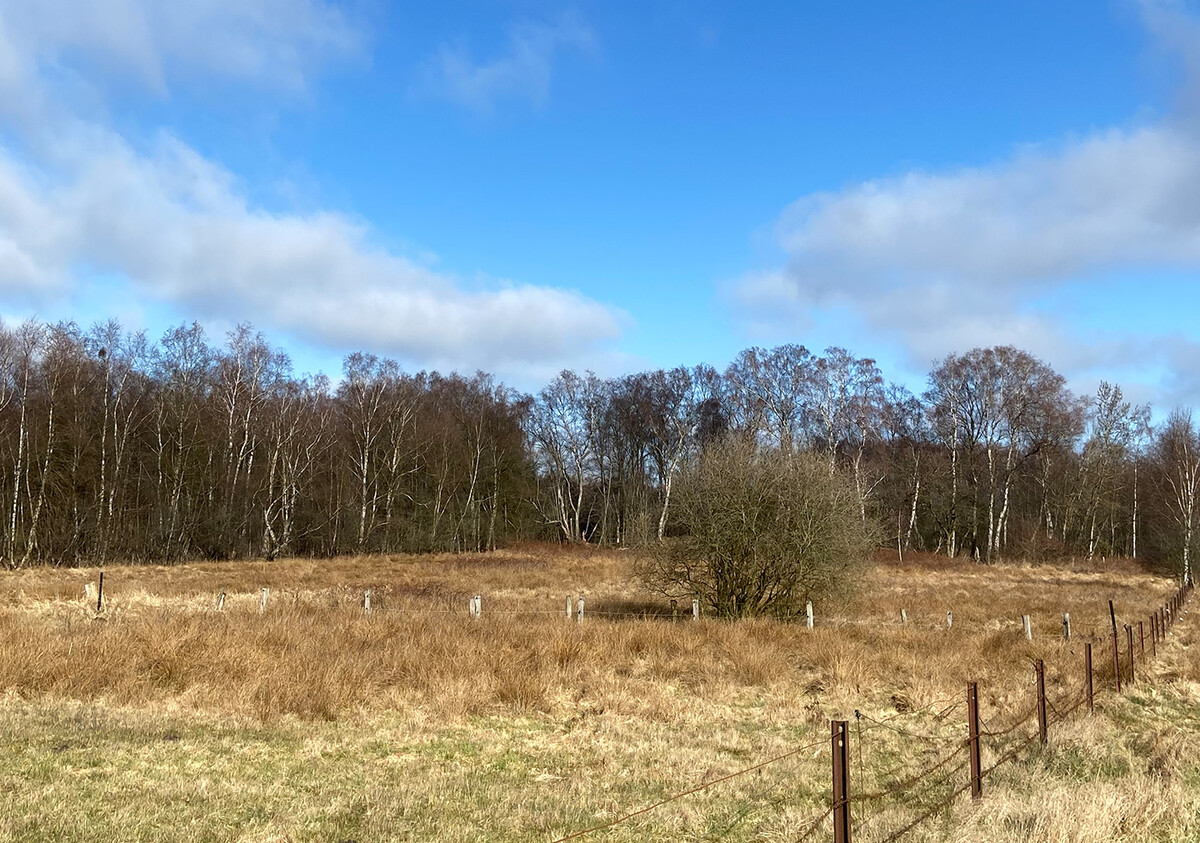
During construction work, topsoil is professionally removed and put into temporary storage with the aim of subsequently restoring the ground to its original condition as far as possible. Recreating the original soil profile, terrain, water balance and use is the goal, so the replaced soil should remain productive and have the same characteristics as before, i.e. allow the infiltration and storage of water.
Paved surfaces at refuelling facilities
We have created special paved areas for cleaning, refuelling and performing maintenance work on our construction vehicles. This ensures that lubricants and operating fluids cannot contaminate the soil or groundwater. Other practical solutions include installing oil separators at washing facilities, using workshops and depots, etc.
Water for trees and bushes
If our construction work requires dewatering measures lasting longer than three weeks, conservation guidelines oblige us to water trees that are located within the dewatering funnel's catchment area or very close to the site of the dewatering activities.
Tackling dust
When performing work that generates a lot of dust, we will cover the source area or apply water to it. The installation of tyre washing systems is another option for reducing dust. In addition, we will only use machinery and vehicles that are equipped with an anti-particulate system or that have a green sticker the prove they have the highest rating for environmentally friendliness.
Noise barriers and vistas
Noise barriers are important and useful, but they can also be restrictive, particularly if they exceed a certain height. This can impede people's view of their surroundings by making it hard to see important buildings, much-loved landmarks and the features in the landscape. The use of design elements in noise barriers is one way of alleviating this problem.
Recreating wooded areas
Some construction measures require us to cut down trees (with official authorisation). During the S4's first construction phase, this will happen at Wandsbeker Gehölz, a small park in eastern Hamburg. To compensate for the lost trees, we will replant new trees and bushes on some 1,800 square metres of the park once building work finishes. In addition, we donated some of the felled trees to the Marienthal primary school, which used them as an addition to its nature-themed playground.
Legal framework
Protecting flora and fauna is of vital importance to Deutsche Bahn. Germany's environmental legislation, the Federal Railway Authority's environmental guidelines and other laws form a statutory framework for our construction projects. The above-mentioned measures were all covered in our environmental impact study, and they all feature in our environmental impact mitigation plan.
The environmental impact assessment is the basis for the preparatory planning stage. Independent experts set to work early on a wide-ranging study to identify, analyse and evaluate the impact that a construction project has on people, animals and the environment. A crucial part of this assessment is what is known as scoping: officials and conservation associations involved in the procedure come to meetings to hear and discuss the measures we are planning. They then have the opportunity to add their comments and state their own demands.
Deutsche Bahn is using the S4's environmental impact assessment to develop a mitigation plan that will provide the maximum possible level of protection for nature and natural landscapes. We are coordinating this activity with the relevant state authorities. Whenever construction work has an unavoidable impact on the environment, we will compensate by creating features with an equal if not enhanced ecological function.
More about DB's conservation activities.